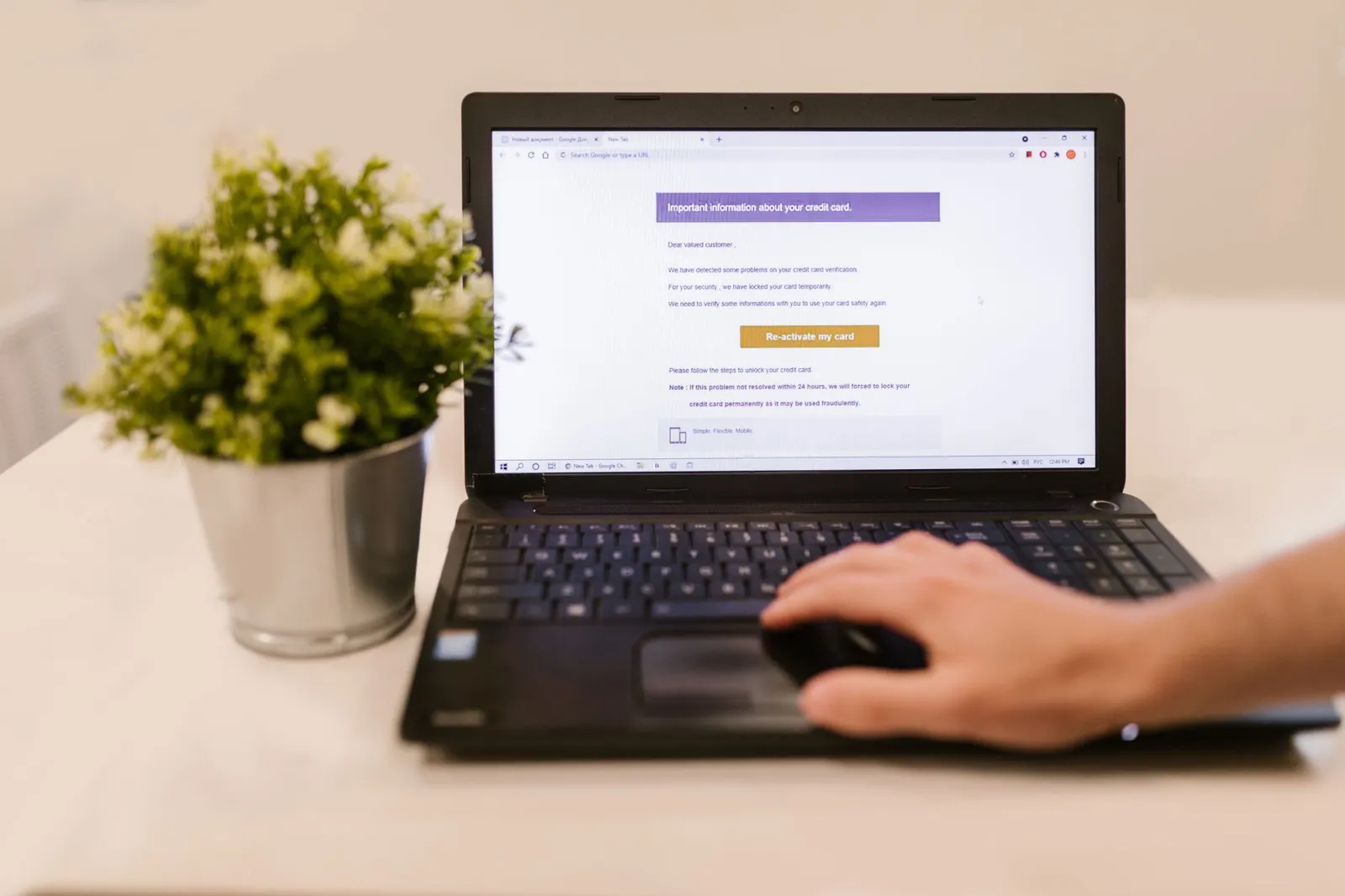
Arara Message Breach Expands: About 77 Million Email Addresses at Risk
Arara Message breach update: 97 customer-environment servers and about 77 million email addresses at risk. That's addresses, not confirmed individuals.
Incidents
Have I Been Pwned has added data from Harvard's November 2025 breach, revealing more than 850,000 unique email addresses. Here's what was exposed.
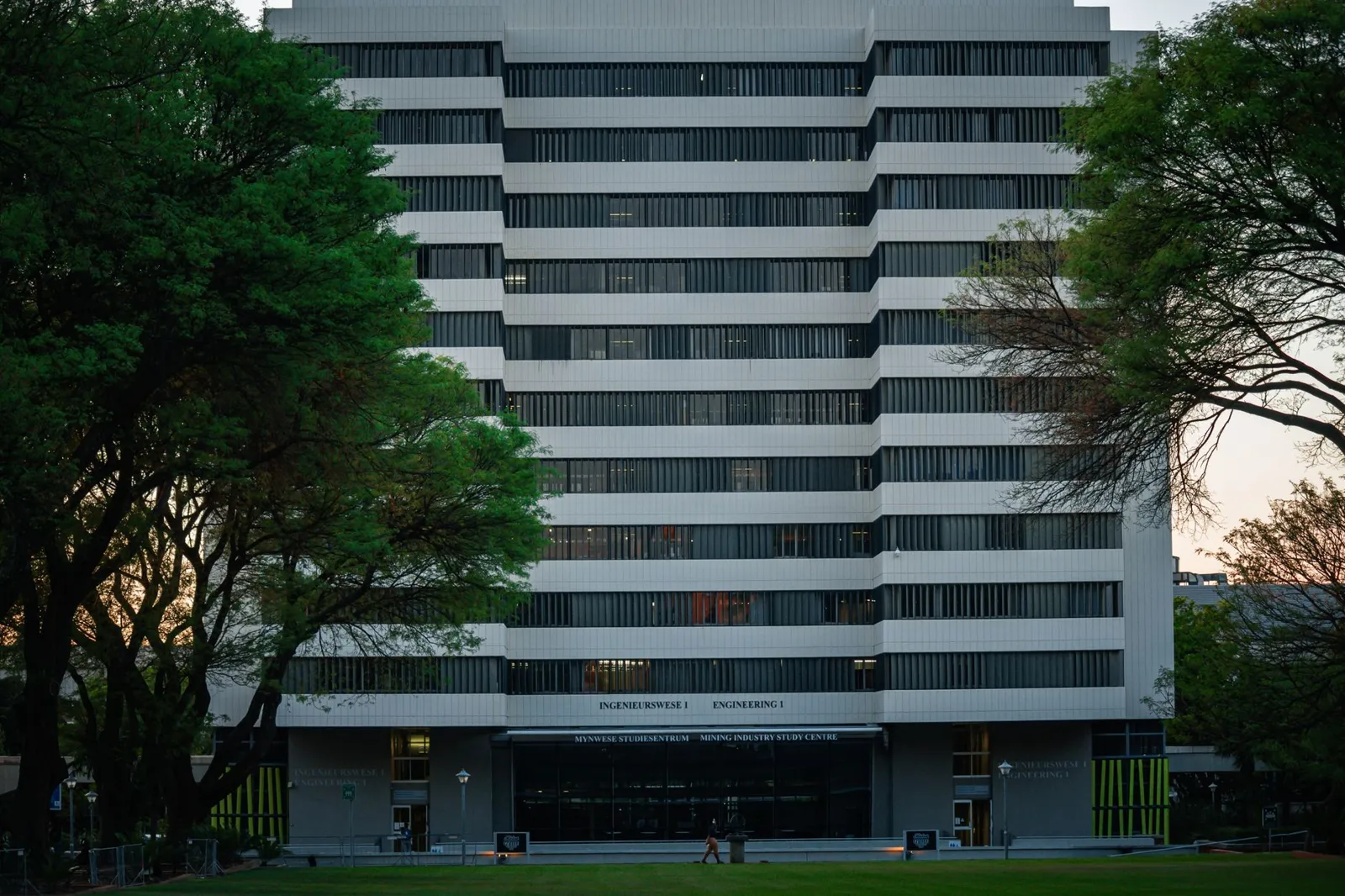
On November 3, Have I Been Pwned (HIBP) added data from the breach of Harvard’s systems, identifying more than 850,000 unique email addresses. What’s new is the confirmed size of the dataset now circulating after the leak. The incident itself took place in November 2025. This is not a new breach.
According to HIBP, the data comes from Harvard’s alumni relations and fundraising systems. It includes detailed profile information on donors, alumni, and parents, as well as some staff and students. With the breach now in the database, anyone concerned can check whether their email address appears in the analyzed dataset.
HIBP lists names, email addresses, phone numbers, home addresses, dates of birth, and donation details among the exposed data. Other categories include citizenship, employment, and family member information. Not every record contains all of these fields.
BleepingComputer confirmed that the dataset had been added and noted that the university had not previously disclosed how many people were affected. The number of unique email addresses does not automatically equal the number of individuals. That distinction matters when describing the scale of the incident.
Detailed profiles make it easier for attackers to write convincing messages that impersonate the university, an event organizer, or a fundraising officer. Recommended precautions:
The cited sources do not confirm that any passwords were exposed in this dataset. Based on the data categories described, the most immediate risk is that the information will be used for fraud and targeted social engineering.
Data from an old breach can stay useful to fraudsters long after the incident itself is over. A 24/7 SOC can help organizations analyze suspicious sign-ins and events linked to account takeover attempts.
Sources: Have I Been Pwned, BleepingComputer
Read more
Arara Message breach update: 97 customer-environment servers and about 77 million email addresses at risk. That's addresses, not confirmed individuals.
Japanese beauty site @cosme confirmed a breach exposing about 3 million members' addresses and birth dates. Passwords and card data were not affected.
Capcom confirms a breach of 11.7 million CAPCOM ID records, exposing emails and login data. Attackers changed passwords on 196 accounts, since reset.
A free consultation with one of our experts — no obligation, in full confidence.
Let's talkWe'd like to use Google Analytics cookies to see how many people visit the site and which content is useful. We'll only set them if you agree. You can change your decision at any time via the “Cookie settings” link in the footer. Cookies Policy