SBC Medical Data Breach: Customer Data Stolen, Clinic Accounts Accessed in Tribeau
SBC Medical says customer data was taken from its Japanese subsidiary's systems. A separate incident hit clinic accounts in the Tribeau booking service.
Incidents
Arara Message breach update: 97 customer-environment servers and about 77 million email addresses at risk. That's addresses, not confirmed individuals.
On November 2, PayCloud Holdings published a significant update on the Arara Message breach. The scope now covers 97 servers in customer environments and roughly 77 million email addresses. That figure counts addresses, not confirmed unique individuals.
Earlier descriptions of the incident focused on a single shared environment. The new disclosure changes how far the breach is understood to reach: customer environments are affected as well. According to the published information, up to about 380 companies may be affected, though the findings are still preliminary.
What makes this news is the expanded scale disclosed on November 2. The breach itself should not be described as an event first detected on that date. The service was fully shut down on October 31, and no date has been given for bringing it back online.
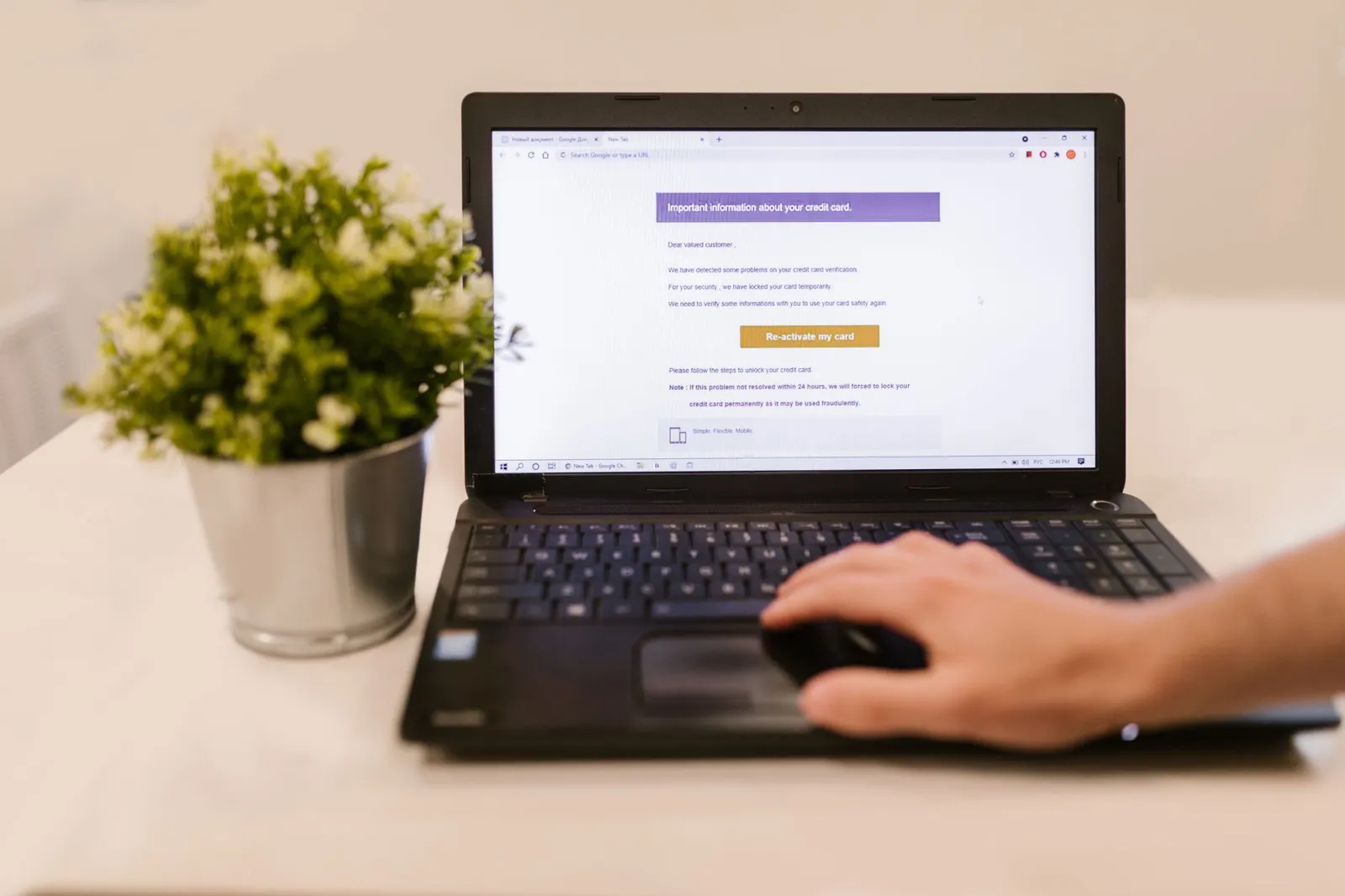
The incident also involved attackers using the platform’s infrastructure to send phishing messages. That creates added risk for recipients, who may have trusted mail coming from a familiar service.
For customers, the priority is to determine their own exposure. The total number of addresses doesn’t show what other information was stored in a given environment or which integrations need review. Taking the platform offline does not undo data that was already exfiltrated.
When a vendor expands the scope of an incident, its customers should reassess their own situation. As part of incident response, it makes sense to pair a review of access and integrations with a determination of what data actually left your organization’s environment.
Sources: PayCloud Holdings, INTERNET Watch
Read more
SBC Medical says customer data was taken from its Japanese subsidiary's systems. A separate incident hit clinic accounts in the Tribeau booking service.
Have I Been Pwned has added data from Harvard's November 2025 breach, revealing more than 850,000 unique email addresses. Here's what was exposed.
Japanese beauty site @cosme confirmed a breach exposing about 3 million members' addresses and birth dates. Passwords and card data were not affected.
A free consultation with one of our experts — no obligation, in full confidence.
Let's talkWe'd like to use Google Analytics cookies to see how many people visit the site and which content is useful. We'll only set them if you agree. You can change your decision at any time via the “Cookie settings” link in the footer. Cookies Policy