Ukraine's Air Alert App Hacked to Send Fake Nuclear Threat Warnings
Ukraine's Air Alert app sent fake nuclear and chemical threat warnings after a breach. Service is partly restored, but use other official channels too.
Incidents
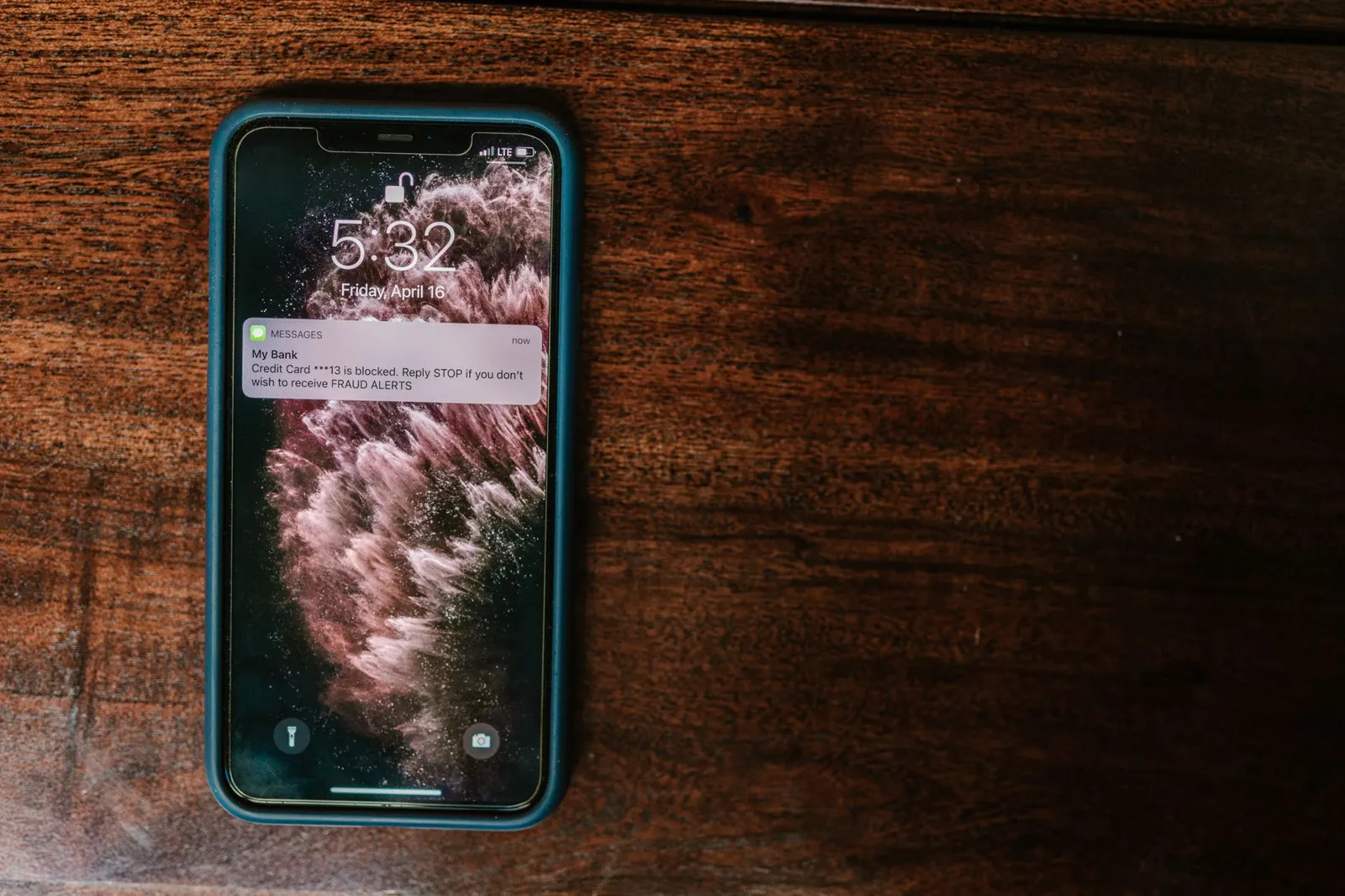
Russia's Emergency Situations Ministry confirmed hackers used its mobile app to send false alerts, saying the public warning system was not affected.
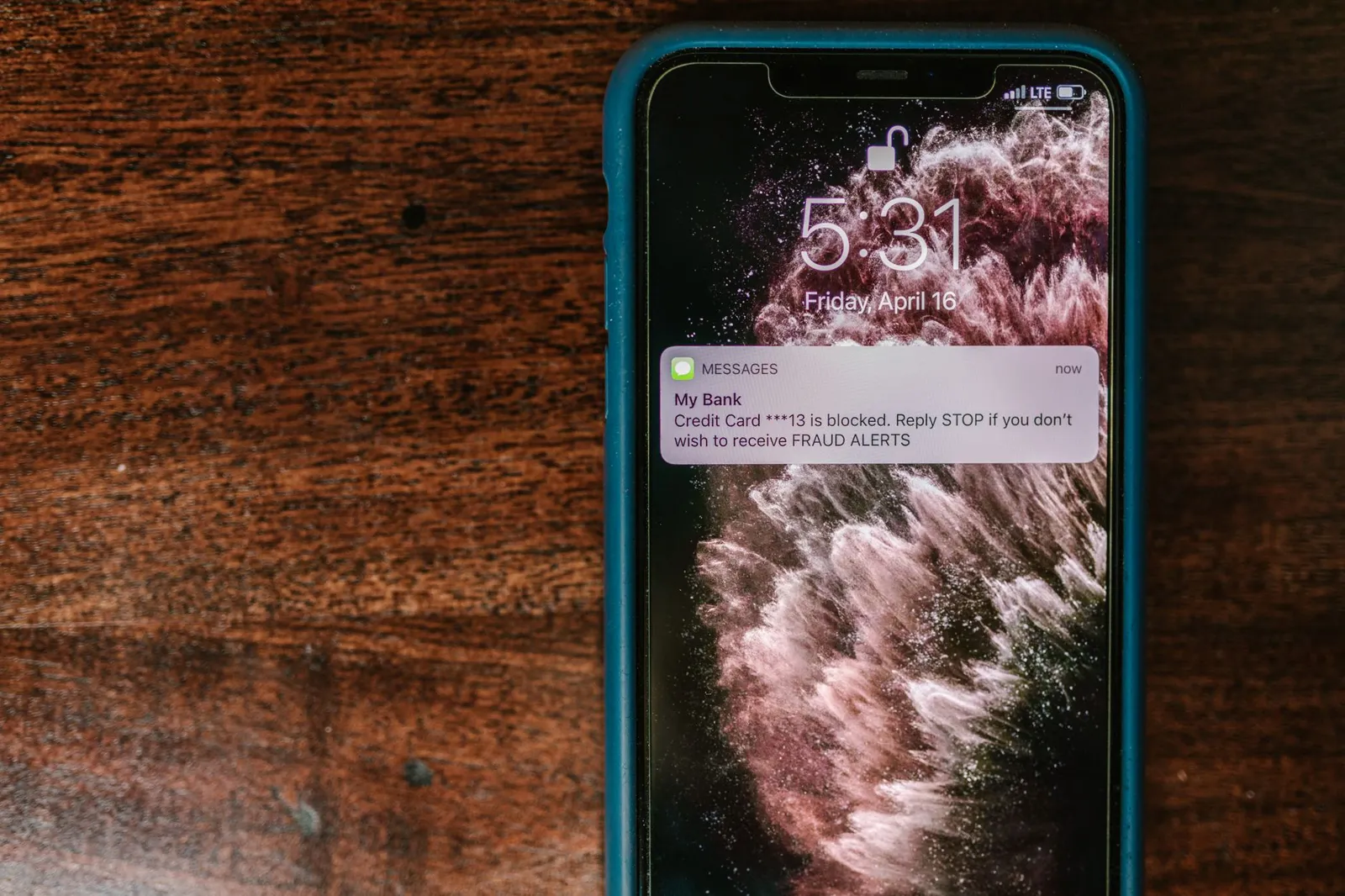
Overnight into November 2, Russia’s Ministry of Emergency Situations confirmed a cyberattack on its mobile app. The attackers used the app to spread false information. The ministry later said the breach did not affect the public warning system.
AFP reported on the ministry’s statement that false messages had been sent through the app, which is designed to warn people about threats. The ministry’s teams were working to fix the problem and restore normal operation.
Interfax published a separate statement from the ministry about the rest of its alert infrastructure. According to the ministry, the public warning system was working properly and was not affected by the breach of the app. That claim comes from the agency that runs the service. No independent technical report has been published to confirm the full scope of the incident.
The available information confirms that a channel for communicating with residents was compromised. It does not explain how the attackers got in, what weakness they exploited, or who was behind the attack. There is also no basis for attributing the incident to any particular group.
Earlier, false alerts appeared in a Ukrainian emergency alert app. The fact that the two incidents happened close together does not prove they had the same perpetrator or were linked. Reuters noted that no connection has been established.
When assessing incidents like these, it is important to distinguish between the mobile app, the agencies’ accounts, and the rest of the warning infrastructure. If one channel fails or is hijacked, that does not tell you the state of the others.
For operators of services that send urgent notifications, this means they should:
Securing notifications also means controlling who can send them and under what circumstances. Security audits should cover both administrative access and the emergency procedures for retracting a false message.
Sources: Interfax, AFP / Philstar, Reuters / Quews
Read more
Ukraine's Air Alert app sent fake nuclear and chemical threat warnings after a breach. Service is partly restored, but use other official channels too.
SmartNews confirmed unauthorized activity in its points and rewards system and paused point exchanges. Impact on user accounts is under investigation.
Inside APT28 (Fancy Bear), Russia's GRU Unit 26165: its tactics, tools and biggest operations, from the 2016 US election hack to attacks on Poland.
A free consultation with one of our experts — no obligation, in full confidence.
Let's talkWe'd like to use Google Analytics cookies to see how many people visit the site and which content is useful. We'll only set them if you agree. You can change your decision at any time via the “Cookie settings” link in the footer. Cookies Policy