Bell Financial Group Data Breach: Client Data May Have Been Accessed
Australia's Bell Financial Group confirmed unauthorized access to some of its systems and says a third party may have accessed some client data.
Incidents
Ukraine's Air Alert app sent fake nuclear and chemical threat warnings after a breach. Service is partly restored, but use other official channels too.
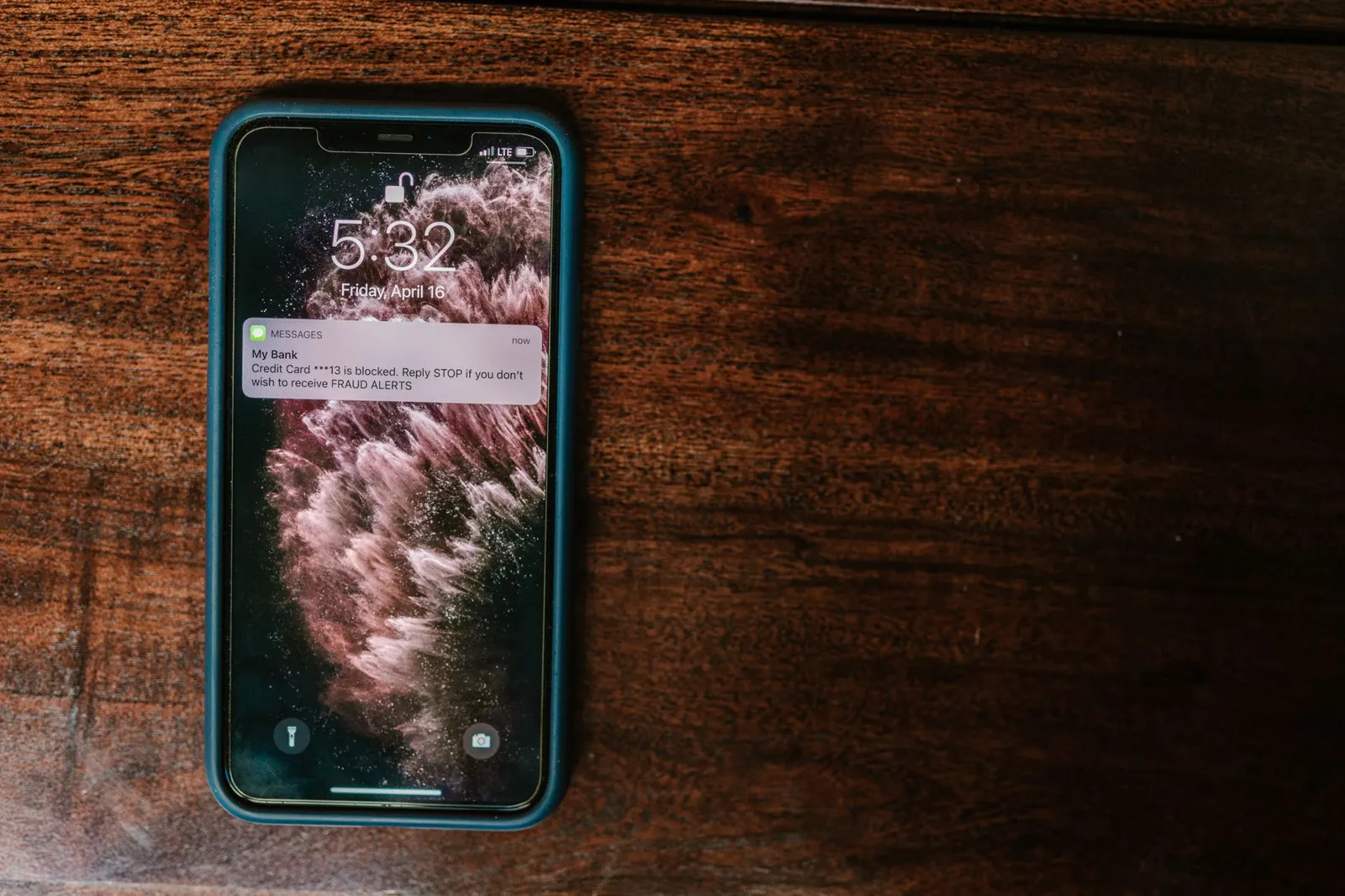
On the evening of November 1, Ukraine’s “Air Alert” (Povitriana Tryvoha) app began sending out false warnings, including alerts about radiation and chemical threats and street fighting. The Ukrainian Air Force denied the radiation threat. The app’s team confirmed unauthorized interference and temporarily took the service offline.
According to Reuters, the false alerts covered Kyiv and other parts of Ukraine. One of them claimed that Russia had used an Oreshnik missile. The Ministry of Digital Transformation said that other public warning methods, including air raid sirens, kept working while the app was down.
The Ukrainian news outlet Glavcom (“Главком”) later reported that the service had been partly restored. Notifications started coming through again, and the map showed two threat levels. The display of airborne targets stayed switched off for the time being. The difference matters: getting basic alerts back did not mean every feature had been restored.
The developers said the app does not store users’ personal data. That is the operator’s own claim, not the result of a published independent audit. The reports cited here did not give the technical cause of the breach or any evidence that clearly identifies who was behind it.
The top priority is keeping access to reliable warnings. This incident is no reason to ignore future alerts about real threats.
When people can no longer trust official alerts, business continuity is at risk even if no data breach has been confirmed. Incident response plans should cover how to shut down a compromised channel, preserve evidence and switch to backup communications.
Sources: Reuters / Quews, Главком
Read more
Australia's Bell Financial Group confirmed unauthorized access to some of its systems and says a third party may have accessed some client data.
Vanderbilt University is responding to a cyberattack on campus devices and services. BYOD claims data theft, but the university hasn't confirmed it.
SmartNews confirmed unauthorized activity in its points and rewards system and paused point exchanges. Impact on user accounts is under investigation.
A free consultation with one of our experts — no obligation, in full confidence.
Let's talkWe'd like to use Google Analytics cookies to see how many people visit the site and which content is useful. We'll only set them if you agree. You can change your decision at any time via the “Cookie settings” link in the footer. Cookies Policy