
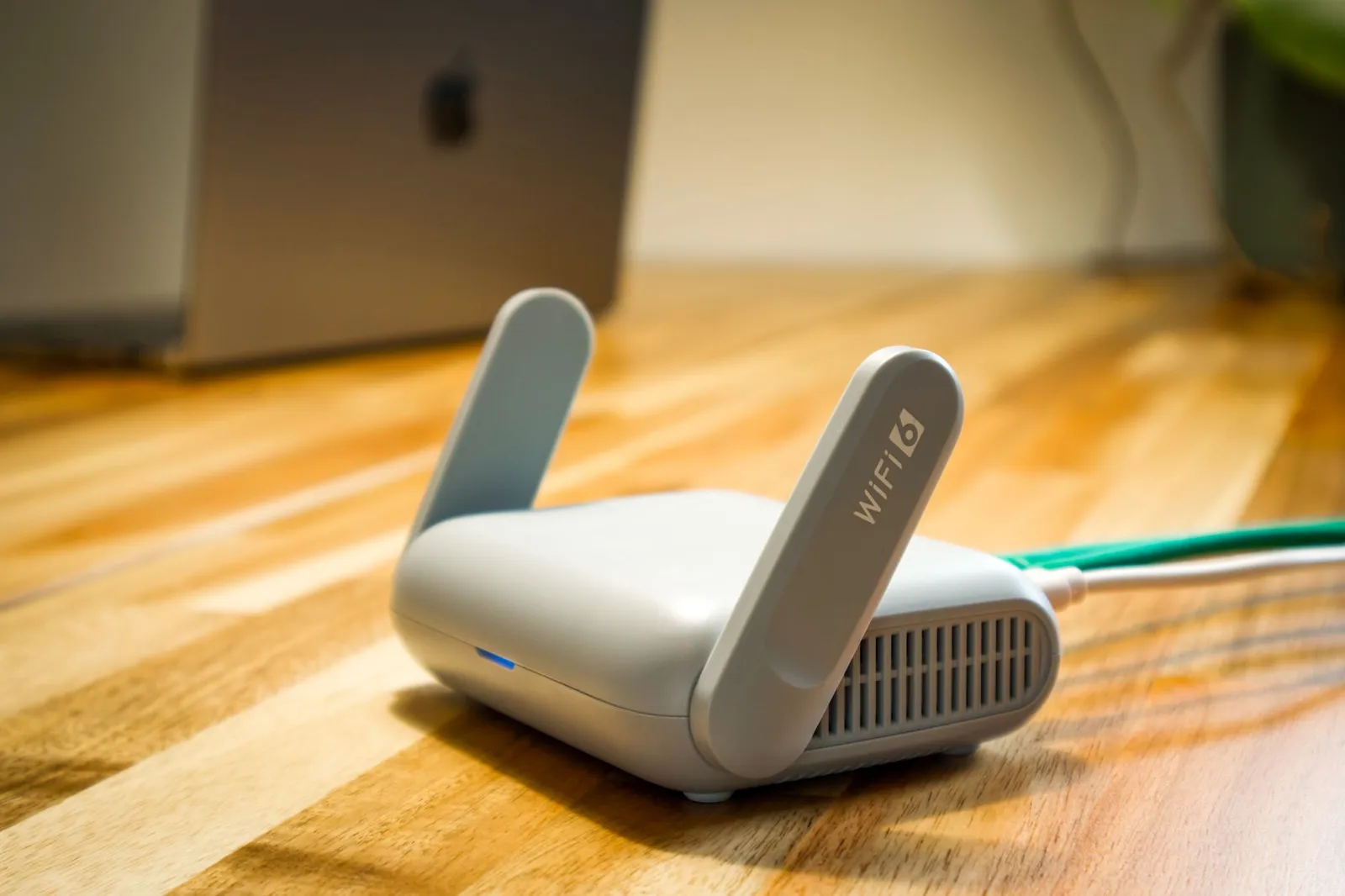
ASUS Router Vulnerabilities: Three High-Severity Flaws, Check Your Firmware Now
Italy's CSIRT warns of three high-severity flaws in ASUS router firmware 3.0.0.6_102. Find out which update your model needs and what to check now.
Vulnerabilities
CISA added CVE-2026-110447 in Collabora's built-in CODE server for Nextcloud to its KEV catalog. Admins should update to 26.4.303 now.

On October 23, CISA added CVE-2026-110447 to its catalog of vulnerabilities exploited in real-world attacks. The flaw affects the Collabora Online — Built-in CODE Server app that runs inside Nextcloud. Under certain conditions, it can be used to execute system commands. A fix is available in version 26.4.303.
The vulnerability was disclosed earlier, on October 14. What’s new in the past 24 hours is the CISA catalog entry, which confirms the flaw is being exploited in practice. The agency has given U.S. federal agencies subject to its requirements until October 26 to act. That deadline isn’t legally binding on Polish organizations, but it’s a clear signal to review your deployments without delay.
According to the vendor, the vulnerable component is the proxy.php file in the richdocumentscode app. An attacker can run commands with the privileges of the web server user while the built-in CODE server isn’t running. That can happen during a container restart, an update, or after a crash.
App releases earlier than 26.4.303 are vulnerable. Standalone Collabora Online servers aren’t affected. The vendor also notes that the fix for the earlier CVE-2025-66208 doesn’t protect against this attack path.
One key detail: disabling the app isn’t enough to eliminate the risk. The recommended course is to update or remove it. Organizations running unsupported releases, Nextcloud 29 and earlier, should upgrade the platform or remove the app.
richdocumentscode is present, and which version, across all of your Nextcloud instances.Conditions that arise during restarts should also be factored into an application’s security assessment. Incident response can help determine the scope of suspicious activity and coordinate next steps if you find signs that the vulnerability was exploited.
Sources: CISA — KEV catalog, Collabora — security advisory, Breach Briefing
Read more
Italy's CSIRT warns of three high-severity flaws in ASUS router firmware 3.0.0.6_102. Find out which update your model needs and what to check now.
CISA added CVE-2025-61624 to its KEV catalog on October 16. The flaw lets an authenticated admin write or delete files outside the permitted directory.
Your firewall is no longer enough. Learn why Zero Trust's "never trust, always verify" is becoming the legal and technical standard under NIS2 and DORA.
A free consultation with one of our experts — no obligation, in full confidence.
Let's talkWe'd like to use Google Analytics cookies to see how many people visit the site and which content is useful. We'll only set them if you agree. You can change your decision at any time via the “Cookie settings” link in the footer. Cookies Policy