
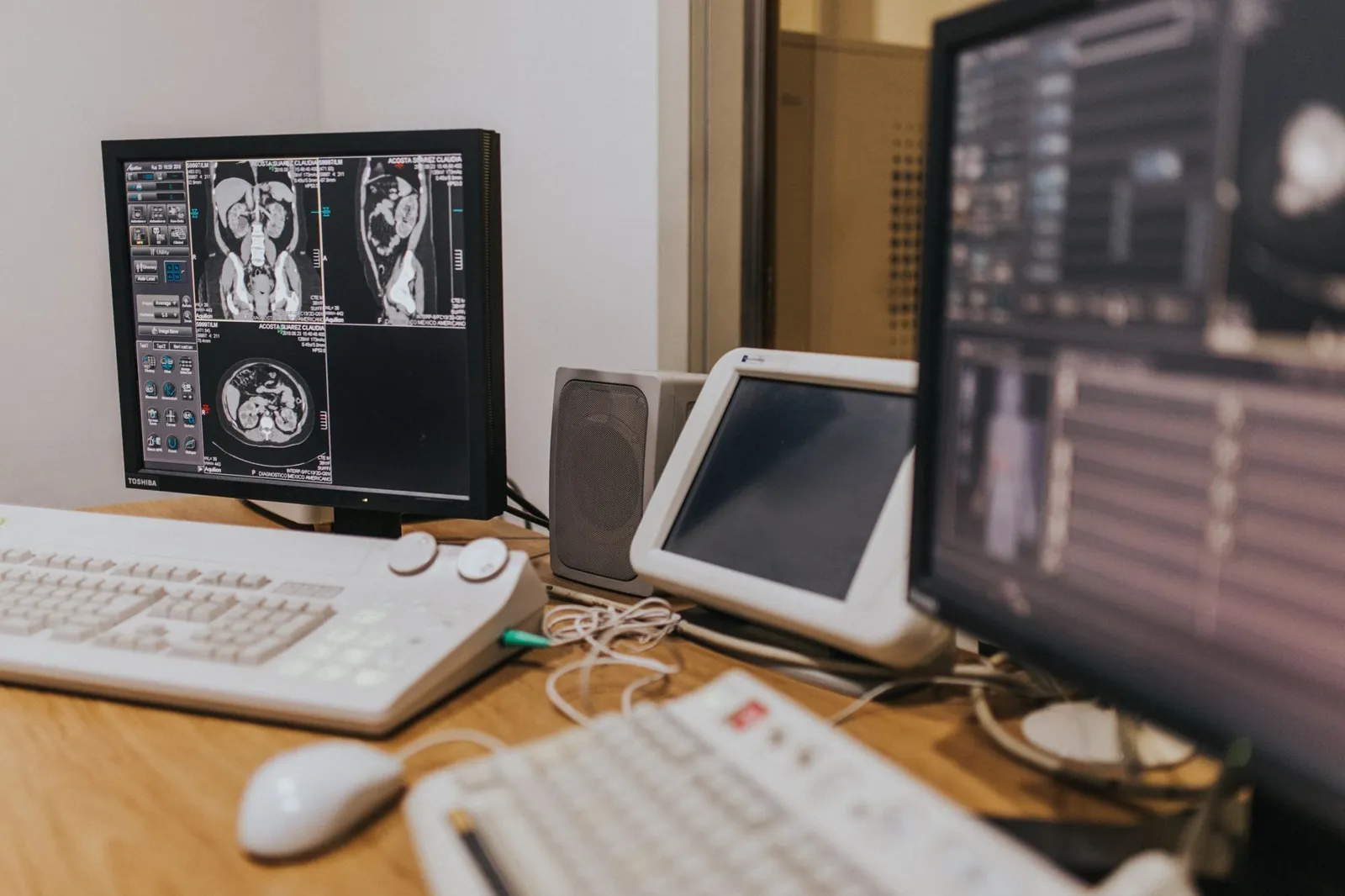
SBC Medical Data Breach: Customer Data Stolen, Clinic Accounts Accessed in Tribeau
SBC Medical says customer data was taken from its Japanese subsidiary's systems. A separate incident hit clinic accounts in the Tribeau booking service.
Incidents
Hong Kong suspended Gleneagles Hospital's eHealth access after unauthorized access to personal data linked to its patient app.

Hong Kong authorities have suspended Gleneagles Hospital Hong Kong’s access to the eHealth system following a security incident involving the hospital’s patient app. The hospital reported that some personal data was accessed without authorization. According to the government, there is no evidence that the central eHealth system itself was compromised.
On November 18, the hospital detected unauthorized activity affecting the infrastructure that secures its My Gleneagles SmartHealth app. TSN reports that the hospital said this infrastructure was maintained by a third-party vendor. The app was taken offline, and independent cybersecurity experts were brought in to investigate.
The hospital says the access involved certain personal data of patients and other individuals, including names, identity document numbers and contact details. It added that medical information was not affected and that card and payment data were not involved in the incident. These are preliminary findings, and the investigation is ongoing.
The hospital said it will notify affected individuals directly and has reported the incident to law enforcement and the relevant regulators. It also said its operations and clinical services are continuing as normal.
Hong Kong’s Health Bureau said it was notified of the incident on November 23 and suspended the hospital’s eHealth registration as a precaution. The suspension limits the hospital’s ability to use the central electronic health record system.
The bureau noted that the hospital’s app has no direct connection to eHealth. It found no evidence that the eHealth system was breached or that any data stored in it was leaked. Authorities have asked for a detailed investigation report within four weeks.
A patient app depends on more than its own code. It also relies on the services and access rights of every vendor involved in running it. Security audits can help organizations map these dependencies and prepare incident response procedures.
Sources: Government of Hong Kong, TSN
Read more
SBC Medical says customer data was taken from its Japanese subsidiary's systems. A separate incident hit clinic accounts in the Tribeau booking service.
Rackspace is shutting down its Spot cloud platform after a breach. Customers must migrate, download data and rotate exposed credentials by December 8.
LaLiga confirms attackers stole personal data of users of its fan platform and some club services. The full scope of the breach is still being assessed.
A free consultation with one of our experts — no obligation, in full confidence.
Let's talkWe'd like to use Google Analytics cookies to see how many people visit the site and which content is useful. We'll only set them if you agree. You can change your decision at any time via the “Cookie settings” link in the footer. Cookies Policy