What Do People Really Use AI For? 5 Surprising Truths from 100 Trillion Tokens
An analysis of 100 trillion tokens debunks AI myths: roleplay beats office productivity, and users stick to models like Cinderella's glass slipper.
Analysis
Unit 42 details 25 operations in which attackers used the open-source Cairn AI framework against semiconductor, defense and civil society targets.

On November 12, Unit 42 published an analysis of operations in which attackers used the Cairn framework to automate activity against organizations in the semiconductor, defense and civil society sectors. The researchers described 25 operations targeting at least 19 organizations between August and September 2026. Attribution of the campaign is an analyst assessment, not a confirmed identification of the perpetrators.
According to the report, the attackers combined the open-source Cairn framework with artificial intelligence models. The tool reportedly planned and carried out some offensive tasks on its own and recorded the results. Unit 42 assessed with moderate confidence that the operation was linked to Chinese intelligence collection.
The report describes greater automation and a wider scope of activity. It does not claim that every task was fully autonomous or that the AI defeated advanced security controls by itself. In the researchers’ view, automation increased the number and reach of the attacks rather than their complexity. These findings come from Unit 42’s analysis and describe one specific campaign.
The campaign shows that automation can speed up reconnaissance and other repetitive stages of an attack. Organizations should:
The report gives no reason to assume that every organization is a target of this particular campaign. It does show the practical value of basic measures that reduce the attack surface.
When attackers automate, organizations have less time to detect unwanted activity. Penetration testing helps you check whether your exposed services and authentication processes hold up against realistic attack attempts.
Read more
An analysis of 100 trillion tokens debunks AI myths: roleplay beats office productivity, and users stick to models like Cinderella's glass slipper.
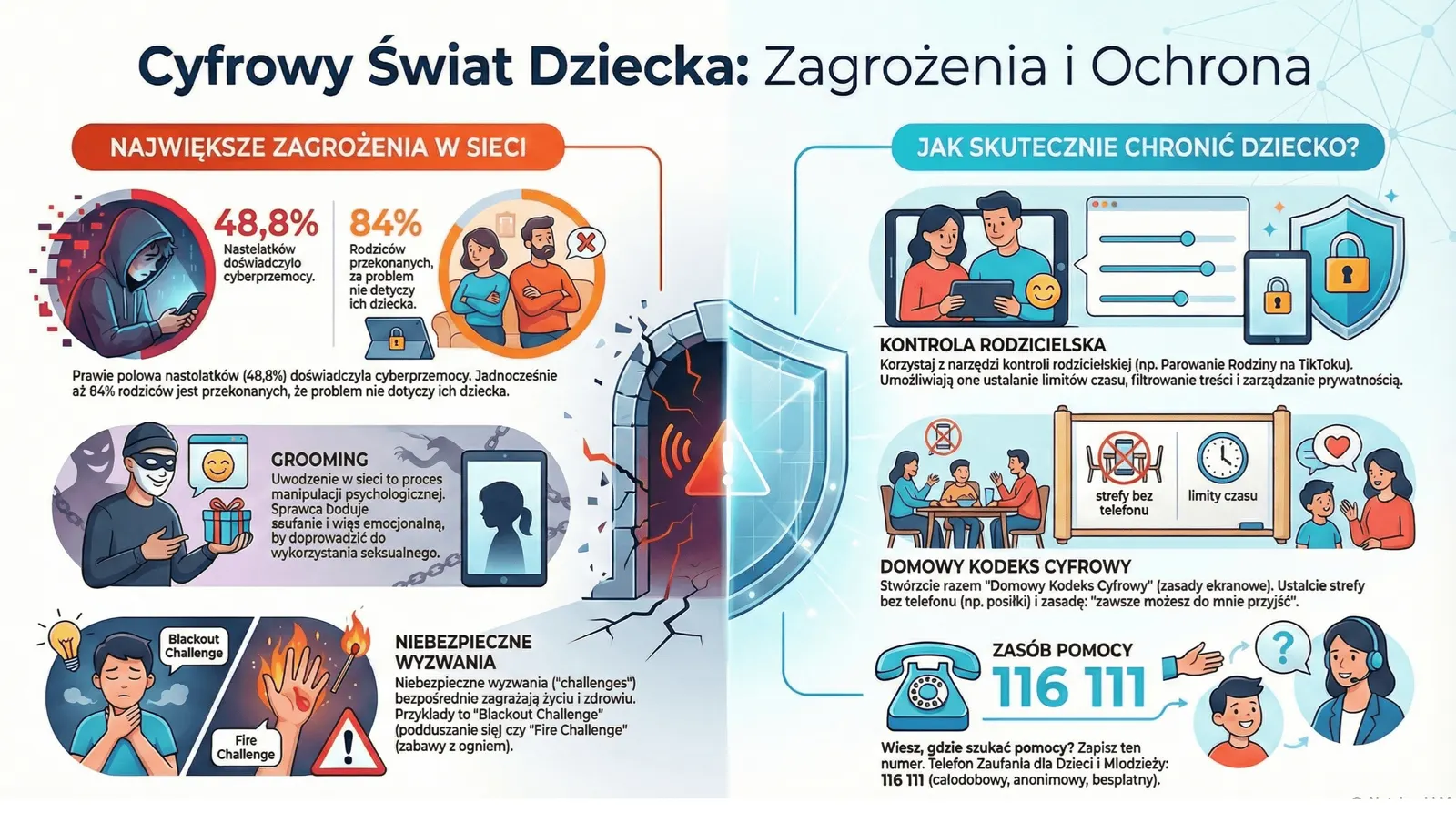
Over 600,000 incident reports. We break down NASK and police data on deadly TikTok challenges, Roblox scams, and Poland's sexting legal trap.
How AI is fueling phishing, malware and disinformation in 2025, and helping defenders fight back. Key takeaways from the latest ENISA and OpenAI reports.
A free consultation with one of our experts — no obligation, in full confidence.
Let's talkWe'd like to use Google Analytics cookies to see how many people visit the site and which content is useful. We'll only set them if you agree. You can change your decision at any time via the “Cookie settings” link in the footer. Cookies Policy