Coles Investigates Cybersecurity Incident, Says Stores Are Trading Normally
Coles is investigating a cybersecurity incident. So far it has found no evidence that customer, employee or supplier data was compromised or exfiltrated.
Incidents
An overnight cyberattack hit store refrigeration in several European countries. Remote temperature changes forced chains to pull food from sale.
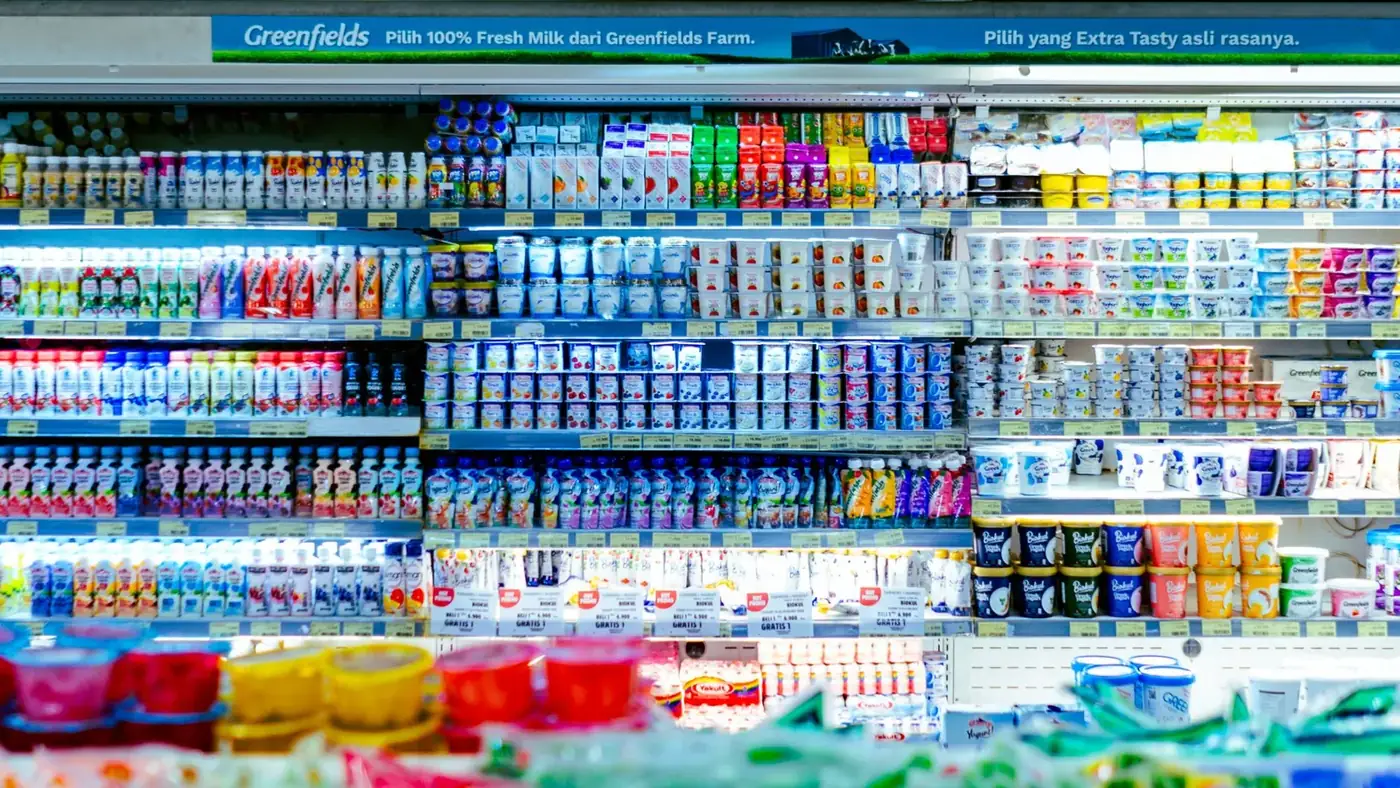
Overnight from November 1 to 2, a cyberattack disrupted refrigeration systems at stores in several European countries. Retail chains have confirmed temperature problems, and some locations had to pull food from sale. These are new incidents, following the October attacks on stores in France.
Reuters reported incidents in countries including Sweden, Belgium and Ireland. Musgrave reported cooling problems at 13 SuperValu stores. Carrefour confirmed that the attack affected 15 of its Belgian locations. Sweden’s national cybersecurity center is handling reports from grocery stores.
BleepingComputer also received confirmation from retail chain representatives. At some sites, the attackers changed temperature setpoints or triggered defrost cycles. It has not been publicly established whether all of the cases were part of a single coordinated operation. There is also no basis for attributing the whole wave to a specific group.
Changing a device’s settings can directly compromise food storage conditions. Restoring the correct temperature does not settle whether products are still fit for sale. That requires a separate assessment of storage time and conditions by the people responsible for food safety.
For businesses that rely on remote refrigeration maintenance, this is a reason to review vendor access and how configuration changes are detected. Based on the available information, it cannot be assumed that every store using equipment from a particular manufacturer has been attacked.
Protecting building and facility systems requires cooperation between administrators, maintenance providers and the people responsible for site operations. A cybersecurity audit can help assess remote access, network segmentation and your readiness to respond to unauthorized changes.
Sources: Reuters, BleepingComputer
Read more
Coles is investigating a cybersecurity incident. So far it has found no evidence that customer, employee or supplier data was compromised or exfiltrated.
A cyberattack detected on November 15 has shut the emergency department at Greiz hospital in Germany. Criminal police and prosecutors are investigating.
France formally attributes October attacks on refrigeration controllers at 700+ retail sites to Iran's Shahid Kaveh unit and seeks new European sanctions.
A free consultation with one of our experts — no obligation, in full confidence.
Let's talkWe'd like to use Google Analytics cookies to see how many people visit the site and which content is useful. We'll only set them if you agree. You can change your decision at any time via the “Cookie settings” link in the footer. Cookies Policy