
VOLTA Infostealer Steals Windows Data and Uses AI to Rank Victims by Value
Cisco Talos details VOLTA, malware that steals passwords, sessions and crypto wallets, then uses AI models to pinpoint a victim's most valuable assets.
Incidents
Seoul police uncovered the theft of 8.2 million records from 90+ organizations. Suspects allegedly used AI tools and extorted some of the victims.
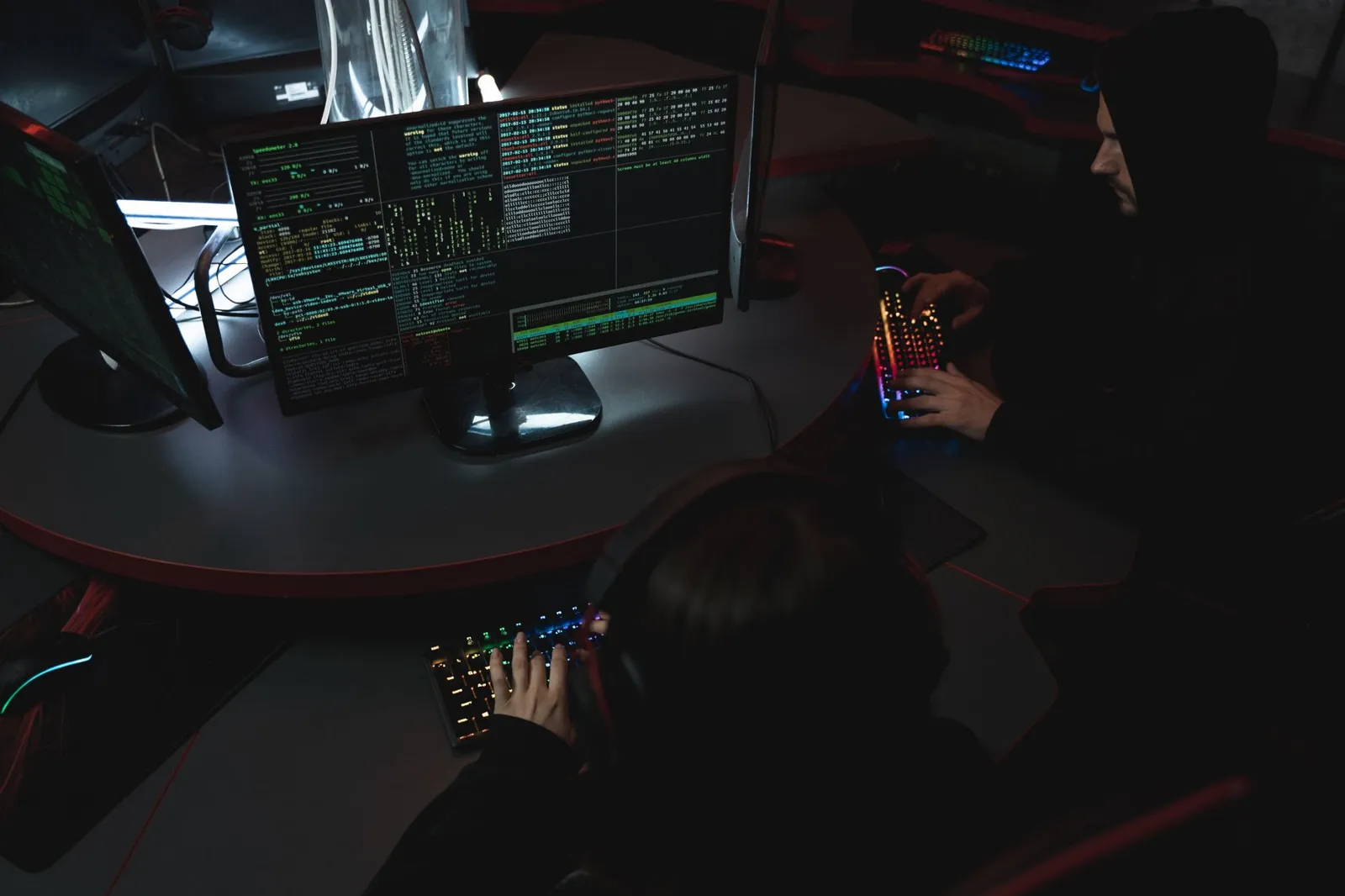
On October 26, Seoul police announced a case involving the theft of 8.2 million personal data records from more than 90 organizations. Investigators say the perpetrators also used artificial intelligence tools and, after the breaches, demanded money in exchange for not leaking the information. Seven suspects are involved in the case.
According to the Yonhap news agency, the victims included educational institutions, hospitals, golf courses and businesses. The group’s activity reportedly began in September 2025. The police have now released the findings of their investigation. This is not a wave of new breaches from the past 24 hours.
The alleged ringleader previously worked as a penetration tester at a security firm. Police say he began making broader use of generative AI from late August 2026. Thirty-eight organizations received payment demands under the threat of having their stolen data published.
The charges and the police findings do not amount to a final determination of guilt. Investigators are still examining whether the stolen information was sold or passed on. The number of records also does not necessarily equal the same number of distinct individuals.
Public reports give no basis for pointing to a single vulnerability or a single technique used against all of the organizations. Nor do they allow the full scale of the theft to be attributed solely to the use of AI. What matters in practice for administrators is the combination of intrusion, data theft and subsequent extortion.
Extortion over the publication of data requires a separate assessment of what was actually accessed or copied. Incident response can help organize the evidence, determine the scope of the breach and plan a return to secure operations.
Sources: Yonhap, BleepingComputer
Read more
Cisco Talos details VOLTA, malware that steals passwords, sessions and crypto wallets, then uses AI models to pinpoint a victim's most valuable assets.
WorkOS says a researcher's AI agent, reportedly outside its test sandbox, pulled sales and support data via an exposed API with leftover dev credentials.
OPSSHIELD confirms cPGuard's update channel was hijacked to push a data-stealing script to Linux servers. Patching alone won't revoke stolen credentials.
A free consultation with one of our experts — no obligation, in full confidence.
Let's talkWe'd like to use Google Analytics cookies to see how many people visit the site and which content is useful. We'll only set them if you agree. You can change your decision at any time via the “Cookie settings” link in the footer. Cookies Policy